So you’ve ever wondered “what happens to your real eyebrows after microblading?” — you’re not alone. In my Melbourne studio, it’s one of the first questions people ask before booking a microblading eyebrow appointment. It usually comes right after, “Will it hurt?” and “Will my natural hair still grow?”
I’ve been doing cosmetic tattooing since 2016 and have completed and taught more than one microblading course. So when I say your brow hairs don’t just pack up and leave, I’m speaking from years of in-studio results. But the way your microblading pigment, natural eyebrow hair, and brow shape work together will change over time — and understanding that makes all the difference to your long-term satisfaction.
Contents
- 1 Why Your Brow Hair Stays
- 2 The Short-Term Changes You’ll Notice
- 3 The Healing Timeline For Your Brows
- 4 How Microblading Helps Brow Growth
- 5 Weather And Your Brow Hair
- 6 Long-Term Changes — Myth Vs Fact
- 7 When Hair And Pigment Don’t Match
- 8 Care For Both Pigment And Natural Hair
- 9 Pigment Vs Natural Hair Maintenance
- 10 How Long They’ll Look “Fresh”
- 11 When Removal Is Necessary
- 12 The Confidence Factor
- 13 Final Take
- 14 FAQ
Why Your Brow Hair Stays
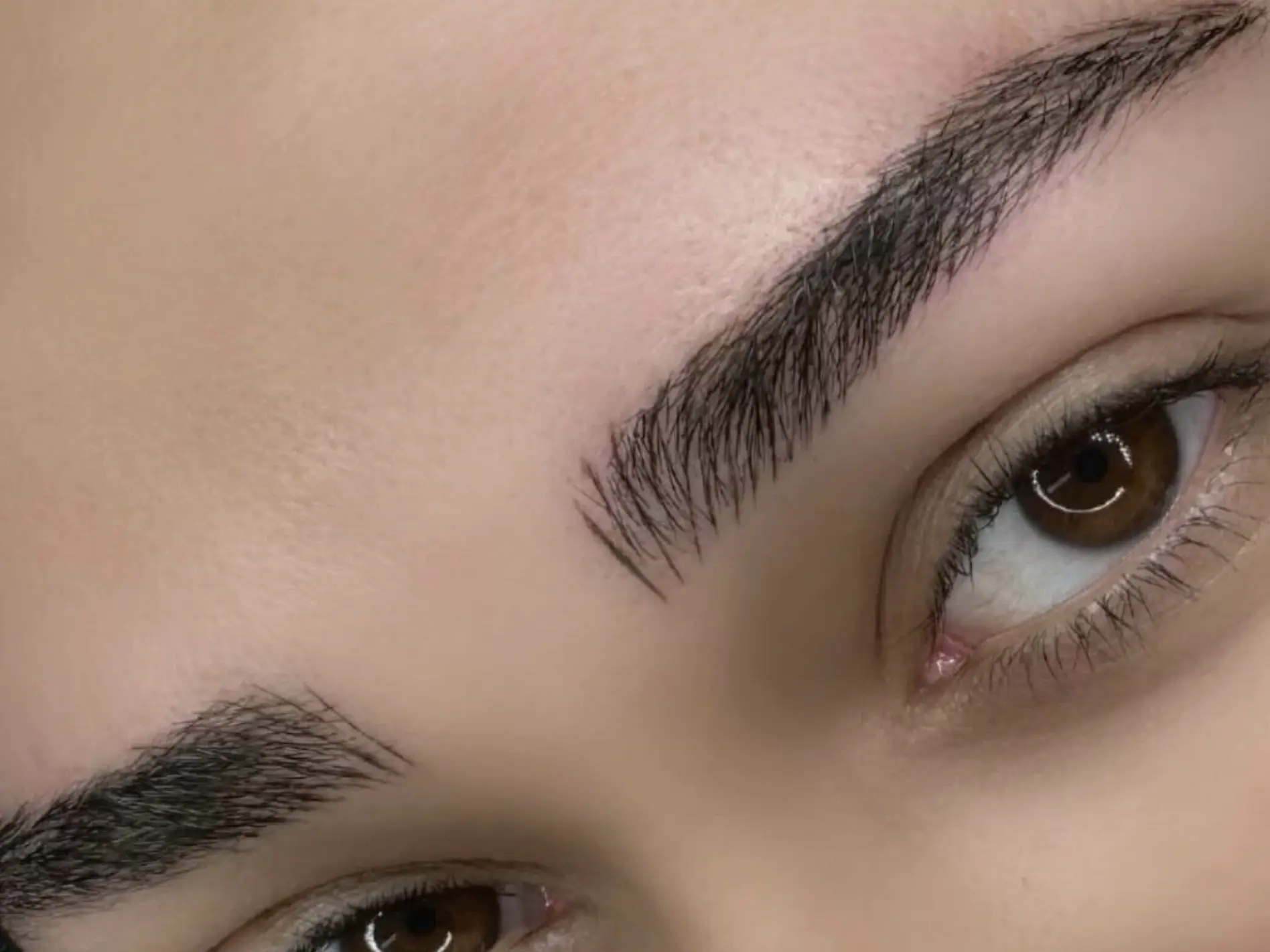
Microblading is a semi-permanent solution — part of the permanent makeup family — where a cosmetic tattooist uses a manual tool with ultra-fine needles to create micro scratches in the upper dermis. These strokes are filled with semi-permanent pigments that mimic the look of natural brow hair.
Unless you’ve got an underlying medical condition like an autoimmune disease or you’re prone to keloid scars, the procedure doesn’t damage the follicles that produce your brow hair. Even clients who’ve had multiple touch up appointments over the years still have healthy hair growth.
When I train new artists in a microblading course, I always emphasise correct microblading techniques — the right needle depth and pigment formulation protect the follicle and ensure the pigment stays in the skin without causing scar tissue.
The Short-Term Changes You’ll Notice
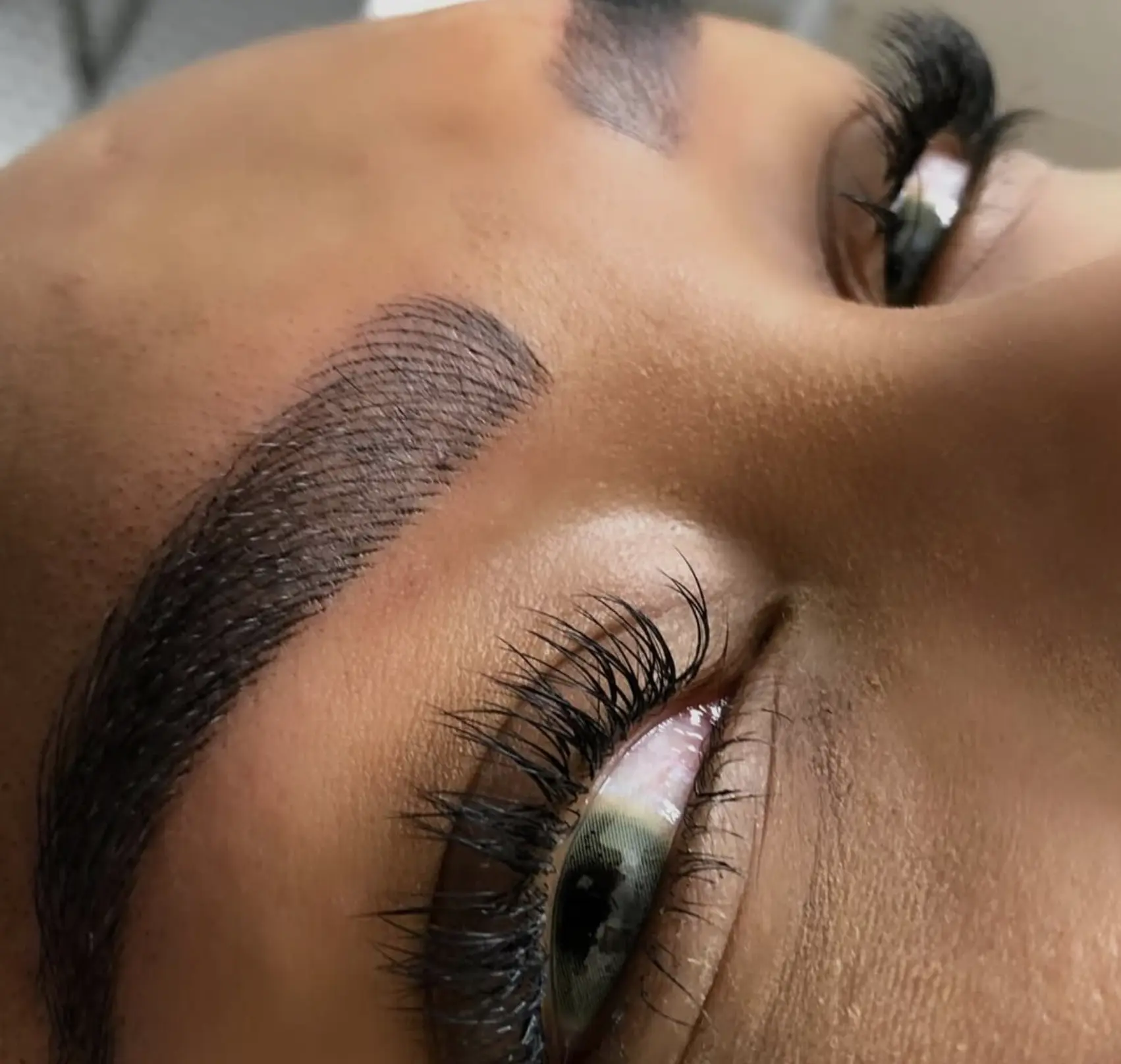
Straight after microblading eyebrows, your pigment will be at its boldest. For some, it almost hides the natural eyebrow hair at first glance. This is part of the microblading healing process:
- The pigment appears darker due to oxidation in the skin.
- Skin types vary, so some clients see more swelling or redness.
- Fine hairs may seem invisible under the fresh pigmentation shade.
I always tell clients — and my microblading course students — to be patient. By week four to six, the colour will have faded, the hairs will “reappear” visually and the blend between pigment and hair will look more natural.
The Healing Timeline For Your Brows
At Face Figurati, I give every client a healing map before their microblading treatment so they know what to expect:
| Healing Stage | Timeframe | What You See | What’s Normal |
|---|---|---|---|
| Initial Healing | Days 1–3 | Brows look darker, bolder | Mild redness/swelling |
| Flaking Phase | Days 4–10 | Scabs form, and pigment may look patchy | Resist picking or scratching |
| Softening | Weeks 2–4 | Pigment lightens, hair blends naturally | Skin may feel slightly dry |
| Full Settle | Weeks 6–8 | Final colour and strokes are visible | Ideal time for follow-up appointment |
2025 Beauty Trend Insight: According to the Australian Cosmetic Tattoo Association, 72% of clients say the flaking phase — not the colour change — is the most unexpected part of the healing journey.
How Microblading Helps Brow Growth
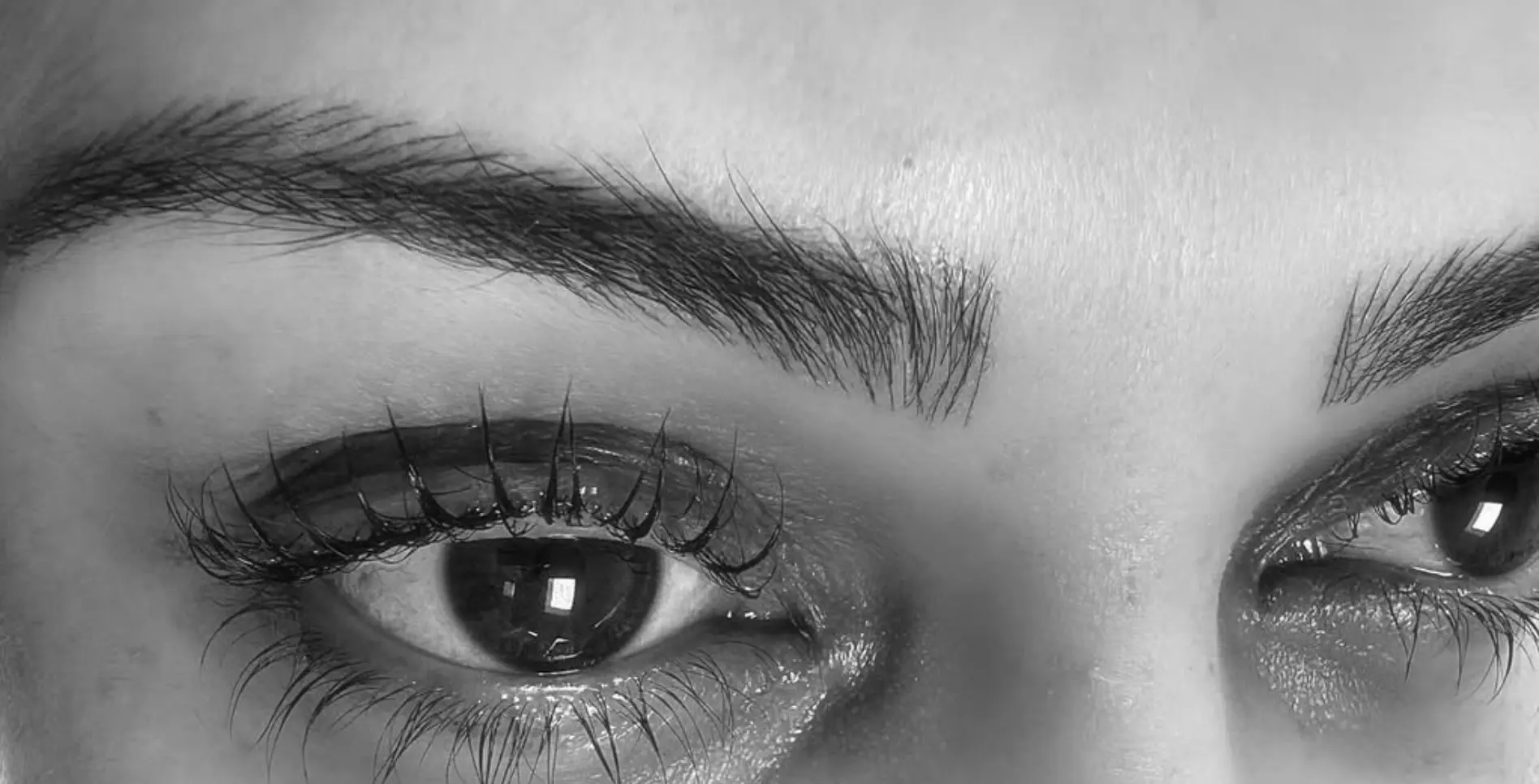
This surprises a lot of people — but the microblading procedure can make your brows look fuller, and in some cases, support better growth. Here’s why:
- Visual depth — Hair-like strokes between your hairs create an illusion of density.
- Better habits — Clients stop over-plucking and over-tinting.
- Less daily damage — No more scrubbing off brow pencil each night.
Some of my clients who once relied on heavy powders have grown back sections they thought were permanently gone — simply because their microbladed eyebrows removed the need for daily makeup wear and tear.
Weather And Your Brow Hair
Living in Melbourne means dealing with four seasons in a day, which plays a role in pigment retention and hair health.
- Winter — Dry air can make pigment look lighter; hydrate your skin.
- Summer — Heat, sun exposure, and even the odd tanning bed session will fade pigment faster (and are not recommended during healing).
- Spring & Autumn — Rapid climate shifts can affect oil production, so adjust your skincare to protect both pigment and hair.
In every microblading eyebrow appointment, I give aftercare instructions that suit both your skin type and the season.
Long-Term Changes — Myth Vs Fact
Myth: Microblading causes permanent hair loss.
Fact: The right microblading artist and good aftercare will preserve your natural brow hair.
True risks come from:
- Poor technique leading to scar tissue.
- Ignoring aftercare and exposing brows to water or sweat too soon.
- Using strong acids like Glycolic Acid too early, which can cause colour change.
I tell my microblading course students that if the brows are done correctly, the only changes over time are pigment fading and the normal ageing of natural brow hair.
When Hair And Pigment Don’t Match
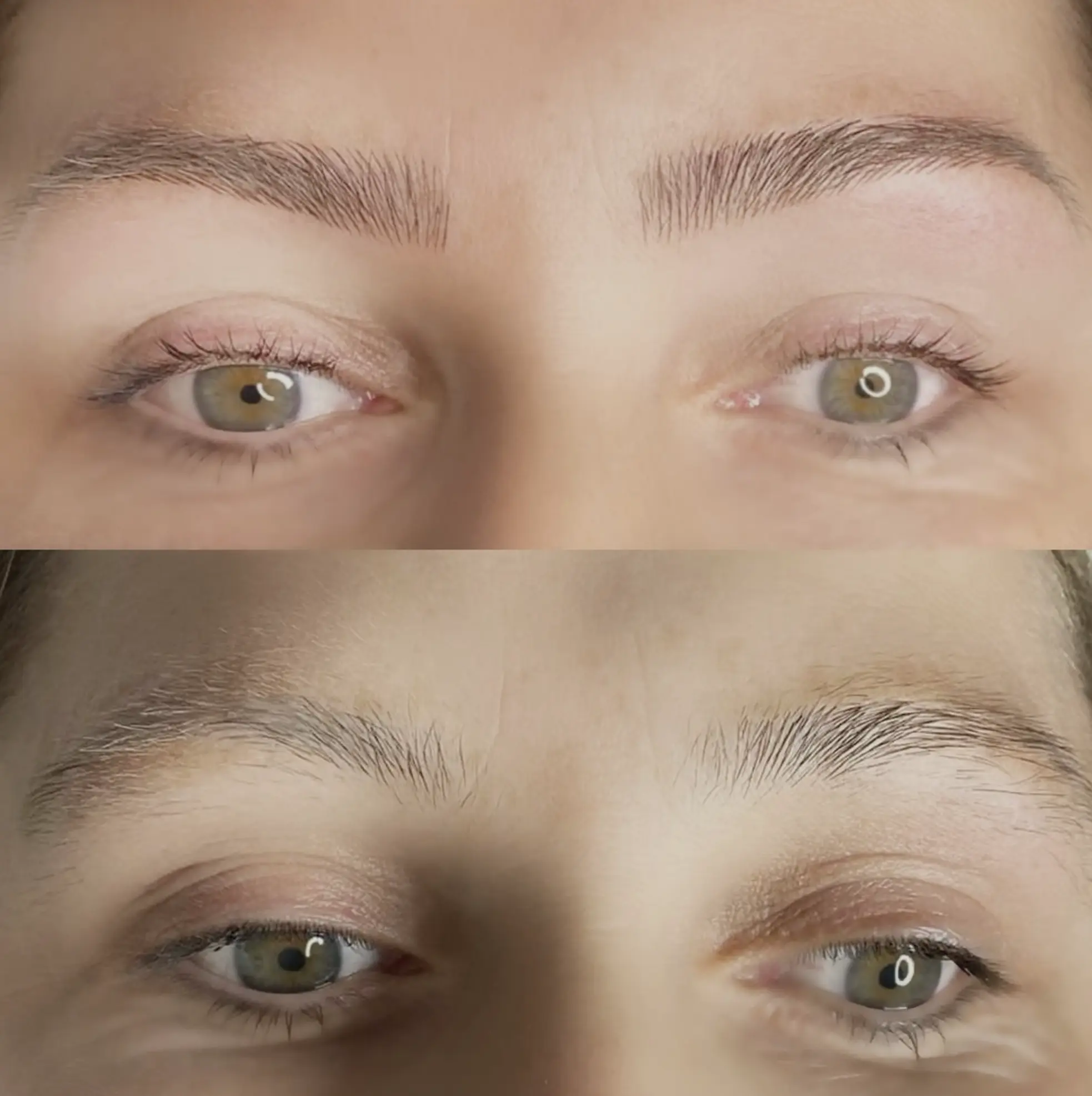
Over time, your hair might change colour naturally — from ageing, sun exposure, or even after treatments like eyelash tinting. Your pigment may also shift slightly due to pigment formulation and skin renewal cycles.
Example from the studio: A client in her late 50s with powder brows came in for a touch up. Her natural hair had turned cooler in tone, so I performed color corrections using a taupe shade to match her new look.
Care For Both Pigment And Natural Hair
To keep both your microblading results and natural hair in peak condition:
- Daily grooming — Brush brows to keep the natural shape.
- Moisturise — Use a light, oil-free serum on the skin beneath.
- Sun safety — SPF daily to protect pigment and prevent hair lightening.
- Avoid harsh products — Skip strong acids, harsh scrubs, and prolonged dry shampoo exposure near the brows.
- Follow-up appointment — Usually every 12–18 months for best colour retention.
Pigment Vs Natural Hair Maintenance
| Care Step | Pigment Focus | Hair Focus |
|---|---|---|
| Sun Protection | SPF 30+ daily | SPF 30+ for hair colour stability |
| Cleansing | Gentle, pH-balanced | Avoid harsh shampoos near brows |
| Touch-up | 12–18 months | Tint only as needed |
| Nutrition | Not relevant | Balanced diet for hair health |
How Long They’ll Look “Fresh”
- Pigment — 12–24 months before needing a refresh.
- Hair — 4–6 week growth cycles.
- Blend — Best results when pigment and hair colour are in sync.
When Removal Is Necessary
If your pigment no longer suits your style or the shape is outdated, options include:
- Laser tattoo removal — Most pigment shades.
- Saline removal — Gentle, especially for cosmetic work.
- Laser treatments — Targeted pigment breakdown.
I cover removal methods in my advanced microblading course, where I teach when to use each method — from saline to laser — to correct old work.
The Confidence Factor
For many Melbourne clients, the real benefit of microblading eyebrows isn’t just aesthetic — it’s practical. No more worrying about smudged brows at the gym, losing half a tail in the pool or trying to match both sides before work.
When eyebrows microblading is done by a skilled professional, it’s a semi-permanent treatment that saves time, boosts confidence and works with your natural hair.
Final Take
Microblading doesn’t replace your natural brow hair — it partners with it. When done by an experienced cosmetic tattoo artist using the right microblading techniques, it enhances your existing shape without causing hair loss.
If you’re in Melbourne, you can book a consultation at Face Figurati Cosmetic Tattoo Studio Melbourne with me, Olha Po. I’ll assess your skin, hair growth and desired style before recommending the right microblading eyebrow plan — no hard sells, just expert advice.
FAQ
Will microblading stop my eyebrow hair from growing?
No — the pigment is placed above the follicle, so your natural hair growth continues.
Can I still have dermal fillers if I’ve had microblading?
Yes, but book fillers at least two weeks before or after your brow appointment.
What if I have an allergic reaction to the pigment?
Rare, but a patch test before your appointment will rule out most issues.
How soon can I use Glycolic Acid after microblading?
Wait at least 6–8 weeks to avoid fading the pigment prematurely.
Can old microblading be corrected if I don’t like it?
Yes — with colour corrections, saline removal, or laser tattoo removal, depending on the pigment and skin type.
{ “@context”: “https://schema.org”, “@type”: “FAQPage”, “mainEntity”: [ { “@type”: “Question”, “name”: “Will microblading stop my eyebrow hair from growing?”, “acceptedAnswer”: { “@type”: “Answer”, “text”: “No — the pigment is placed above the follicle, so your natural hair growth continues.” } }, { “@type”: “Question”, “name”: “Can I still have dermal fillers if I’ve had microblading?”, “acceptedAnswer”: { “@type”: “Answer”, “text”: “Yes, but book fillers at least two weeks before or after your brow appointment.” } }, { “@type”: “Question”, “name”: “What if I have an allergic reaction to the pigment?”, “acceptedAnswer”: { “@type”: “Answer”, “text”: “Rare, but a patch test before your appointment will rule out most issues.” } }, { “@type”: “Question”, “name”: “How soon can I use Glycolic Acid after microblading?”, “acceptedAnswer”: { “@type”: “Answer”, “text”: “Wait at least 6–8 weeks to avoid fading the pigment prematurely.” } }, { “@type”: “Question”, “name”: “Can old microblading be corrected if I don’t like it?”, “acceptedAnswer”: { “@type”: “Answer”, “text”: “Yes — with colour corrections, saline removal, or laser tattoo removal, depending on the pigment and skin type.” } } ] }